The Limbless Association
We are a national charity supporting lives beyond limb loss. We believe No Amputee Need Cope Alone.
As the Largest Civilian Limb Loss Charity in the UK, established in 1983, we have been working with amputees and sector professionals for over 39 years. We offer information, advice and support for amputees, their family and friends and professionals.
Through our Volunteer Visitor Network, events, resources and our helpdesk we strive to ensure no amputee need cope alone.
`` A problem shared really is a problem halved ``




Become a member
Did you know that membership to amputees is free?
Swipe the menu below to view the many benefits of becoming a member.
StepForward Magazine
A copy of our quarterly printed magazine StepForward that is full of inspirational stories and information connecting you to the wider sector, expert features and the work we do.
Resource Pack
A welcome resource pack that includes back issues of the magazine, a radar key, LA reusable bag and useful information booklets.
LA Events
Access to LA events and training seminars e.g. Support and Connect Hub activities & LA Stepping Forward Together seminar series.
Life Beyond Limb Loss
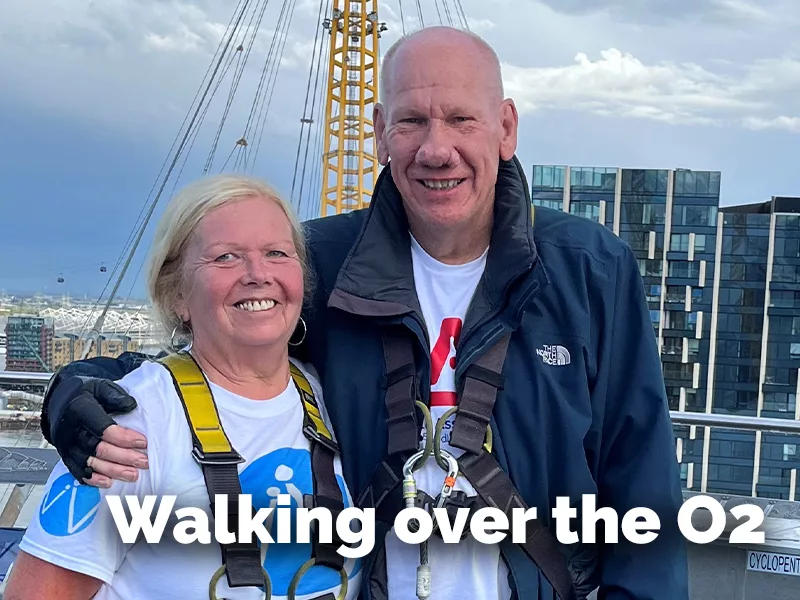
Access to Life Beyond Limb Loss experiences and opportunities. The LA offers amputees’ a free place on our annual 02 Climb and on our Superhero Tri teams.
Volunteer Opportunities
An opportunity to become an LA Volunteer Visitor (peer mentor) for amputees or two or more years with our volunteers receiving access to training, support, and networking events.
News
Browse our latest news, fundraising event updates and inspiring stories from our LA limb loss community.